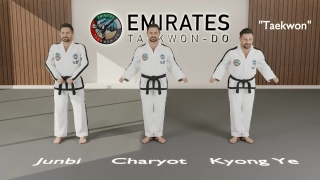

Salute and attention stance protocol in Taekwon-Do
A complete study of Kyung Nae and Charyot Sogi in traditional ITF Taekwon-Do, including correct procedure, posture, kneeling bow, and formal etiquette according to established standards.
Learn More
Stances in ITF Taekwon-Do are the foundation of all techniques, providing balance, stability, and power. Each stance trains correct weight distribution, posture, and readiness for attack or defense.
A complete study of Kyung Nae and Charyot Sogi in traditional ITF Taekwon-Do, including correct procedure, posture, kneeling bow, and formal etiquette according to established standards.
Learn More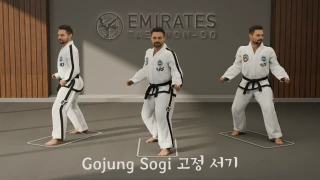
A concise ITF technical reference for Fixed Stance, covering length, minimal width, measuring point, equal weight distribution, foot angles, and facing options.
Learn More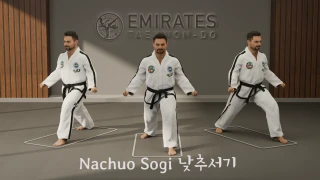
A concise ITF technical reference for Low Stance, covering width, length, measuring points, weight distribution, foot angles, low base, and facing options.
Learn More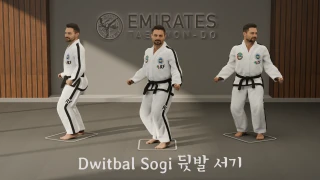
A concise ITF technical reference for Rear Foot Stance, covering length, minimal width, measuring point, weight distribution, lifted heel, foot angles, and half facing.
Learn More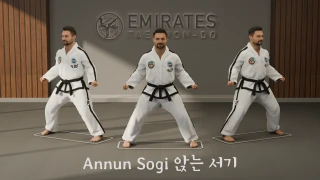
A concise ITF technical reference for Sitting Stance, covering width, measuring point, weight distribution, foot angles, knee position, and facing options.
Learn More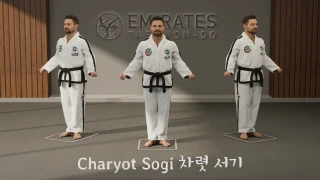
A concise ITF technical reference for Attention Stance, covering heel position, zero-width structure, equal weight distribution, straight legs, foot angle, and full facing.
Learn More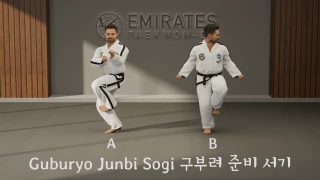
A concise ITF technical reference for Bending Ready Stance, covering Type A and Type B, standing-foot naming, shoulder facing, one-legged balance, hand position, and kick preparation.
Learn More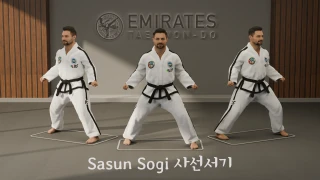
A concise ITF technical reference for Diagonal Stance, covering the sitting-stance base, diagonal foot offset, one-and-a-half shoulder-width measurement, facing options, naming rule, and common errors.
Learn More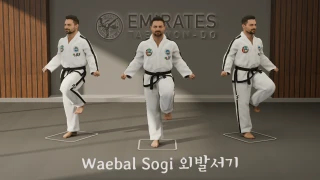
A concise ITF technical reference for One-Leg Stance, covering balance purpose, no-width and no-length structure, standing-foot naming, lifted-foot placement, and facing use.
Learn More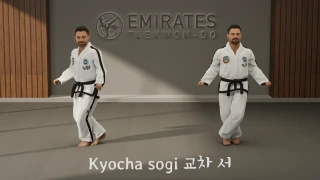
A concise ITF technical reference for X-Stance, covering crossed-foot structure, no-width and no-length measurement, stationary-foot weight, naming rule, side-facing and half-facing shoulders, and common errors.
Learn More